What you need to know
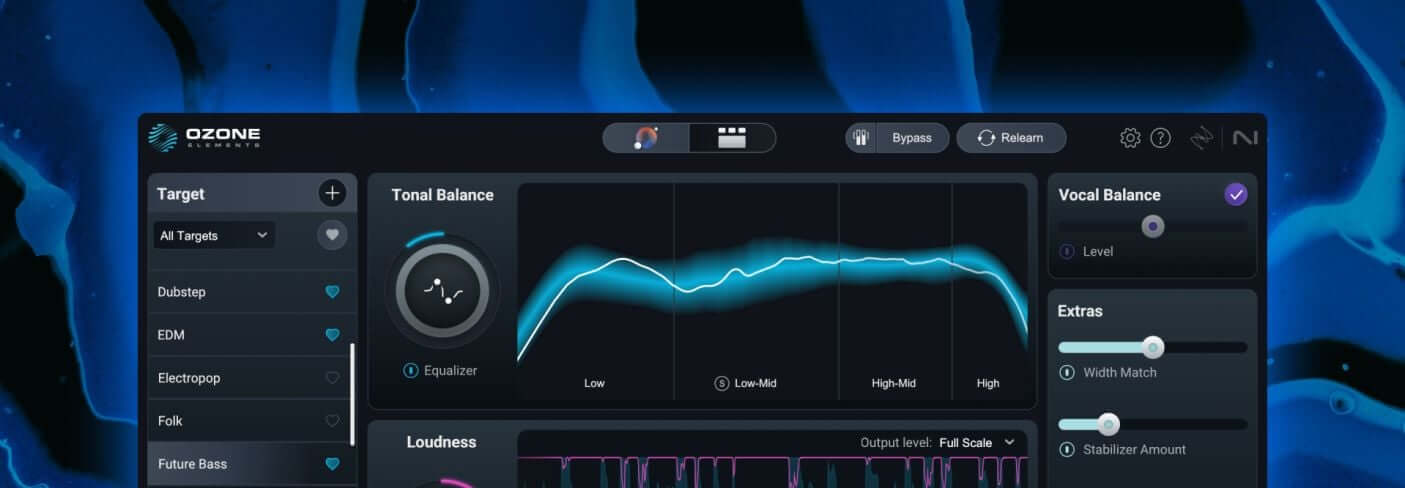
iZotope's Ozone 12 adds tools for repairing balance inside a stereo master and gives users more control over assisted starting points. The main additions include Stem EQ, Bass Control, Unlimiter, a Custom flow for Master Assistant, and IRC 5 limiting.
Repair tools are not a substitute for the mix
Stem EQ estimates vocals, bass, drums, and instruments inside a stereo bounce so their tonal balance can be adjusted separately. This may rescue a small issue when the mix session is unavailable. If the vocal is truly wrong, asking for a revised mix remains the cleaner option. Listen for separation artifacts and compare against bypass at matched level.
Bass Control is intended to shape low-end balance and impact. Check it on full-range monitoring, headphones, and a reduced-bandwidth speaker. Low-end decisions made only from a visual target can move energy without improving translation.
Unlimiter is designed to recover dynamics from overly compressed audio. Treat the result as reconstruction, not the original transient information. Use the smallest change that improves the song.
Assistance needs a brief
Master Assistant's Custom flow can use genre profiles, references, a LUFS setting, module choices, and processing strength. Build that brief from approved references and delivery requirements. A generated chain is a starting hypothesis. Reorder, remove, or reduce modules when they do not serve the record.
IRC 5 can push level more cleanly according to iZotope, but loudness remains a tradeoff among impact, density, distortion, and platform playback. Compare at equal loudness before deciding that a louder result is better.
How this note was made
- iZotope: Ozone 12 Advanced features Official or first-party reference used for the factual claims in this article.