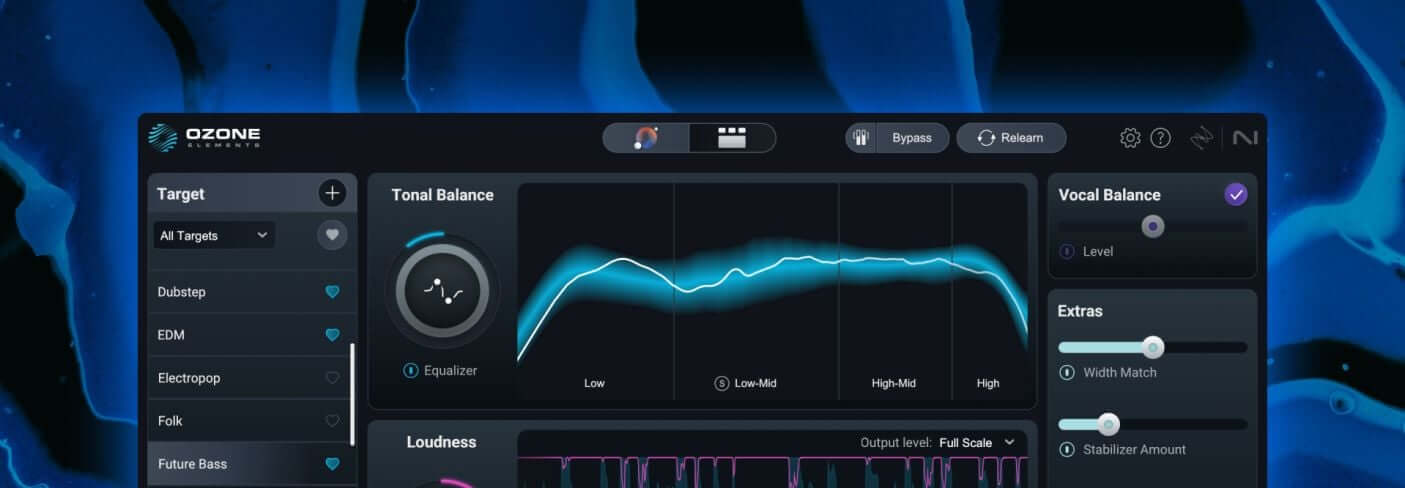
What you need to know
Spotify currently says its Normal playback setting adjusts tracks to -14 dB LUFS during playback. That sentence is often turned into an inaccurate rule: every master must measure exactly -14 LUFS. The platform's own documentation describes a playback process, not a universal creative target for every record.
What Spotify says it does
Spotify measures delivered audio and applies positive or negative gain while the track plays. It says louder masters receive negative gain, while softer masters may be raised only as far as available headroom allows. Album playback is normalized as an album so intentional level relationships can remain; shuffled tracks and playlists are handled individually.
The behavior also varies by context. Spotify notes that its web player and some third-party devices do not use normalization, and Premium listeners can choose Loud, Normal, or Quiet settings. That alone is a good reason not to optimize a master for one imagined playback path.
Use the numbers as a delivery check
Spotify recommends a maximum true peak below -1 dBTP, or below -2 dBTP for masters louder than -14 LUFS, to reduce the risk of added distortion during lossy encoding. Measure true peak, audition encoded playback when possible, and compare the song at matched listening levels.
Then return to musical questions. Does the chorus still lift? Are the drums losing impact because the limiter is working too hard? Does the vocal remain stable at low volume? A technically compliant master can still be emotionally flat, while a master that is not exactly -14 LUFS may translate well.
How this note was made
- Spotify: Loudness normalization Official or first-party reference used for the factual claims in this article.
- ITU-R BS.1770 Official or first-party reference used for the factual claims in this article.